Short notes on Current Affairs 17.01.2026

Wings India 2026

Overview

  • Event Name: Wings India 2026
  • Type: Asia’s largest civil aviation event
  • Dates: 28–31 January 2026
  • Venue: Begumpet Airport, Hyderabad
  • Inauguration: Led by Shri Rammohan Naidu, Minister of Civil Aviation, with high-level domestic and international dignitaries.
  • Theme: “Indian Aviation: Paving the Future – From Design to Deployment, Manufacturing to Maintenance, Inclusivity to Innovation and Safety to Sustainability.”

Key Objectives

  • Showcase India’s rapidly expanding aviation sector and growing global footprint.
  • Position India as a hub for aviation manufacturing, services, innovation, and sustainable solutions.
  • Facilitate policy dialogue, collaboration, and investment opportunities among stakeholders.
  • Promote innovation, skill development, and inclusion in aviation.

Event Features

  • Exhibition & Displays:
    • International exhibition and static aircraft displays.
    • Flying displays and aerobatic shows, including the Surya Kiran Aerobatic Team.
  • Conference & Dialogue:
    • High-level international conference with 13 thematic sessions.
    • Global CEOs Forum and Ministerial Plenary.
    • Coverage of topics: Airports, Aircraft Leasing, Helicopters, Airlines, MRO, Air Cargo, Business Aviation, Small Aircraft, Component Manufacturing, SAF, Flying Training, Advanced Air Mobility, and Drones.
  • Networking & Business Opportunities:
    • B2B and B2G meetings.
    • Dedicated exhibition chalets for companies and investors.
  • Skill & Innovation Initiatives:
    • Aviation Job Fair connecting professionals and industry leaders.
    • Civil Aviation Innovation Challenge for students and young professionals.
  • Cultural and Experiential Programmes:
    • Vibrant cultural performances highlighting India’s heritage.
    • Award ceremony recognizing excellence and outstanding contributions in civil aviation.

International & State Participation

  • Ministerial-level foreign delegations and senior officials from 20+ countries.
  • Active participation of Indian states to showcase aviation-led infrastructure and investment opportunities.
  • Emphasis on global partnerships, collaboration, and knowledge sharing.

Significance

  • Establishes Wings India as a premier global aviation forum.
  • Highlights India’s technological advancements, innovation, and sustainability in aviation.
  • Strengthens policy-industry linkages, investments, and talent development in the civil aviation ecosystem.
  • Provides exposure to emerging trends in aviation, including green fuels, drones, and advanced mobility solutions.

2nd Global Buddhist Summit (GBS) 2026

Overview of the Event

  • Event: 2nd Global Buddhist Summit (GBS) 2026
  • Organisers: International Buddhist Confederation (IBC) in collaboration with the Ministry of Culture, Government of India
  • Dates: 24–25 January 2026
  • Venue: Bharat Mandapam, New Delhi
  • Theme: “Collective Wisdom, United Voice, and Mutual Coexistence”
  • Purpose: Reinforce the relevance of Buddhist philosophy in addressing contemporary global challenges such as conflict, alienation, and environmental issues.

Participants and Audience

  • Around 200 delegates, including:
    • Supreme Patriarchs and heads of national Buddhist Sanghas
    • Eminent monks, scholars, and senior dignitaries from around the world
  • Overall audience: 800+ participants

Key Focus Areas / Thematic Sessions

  1. Collective Wisdom and United Voice for Social Harmony
  2. Entrepreneurship and Right Livelihood in Buddha Dhamma
  3. Scientific Research, Healthcare, Medicine, and Sustainable Living in Buddha Dhamma
  4. Learning in the Light of Buddha Dhamma
  5. Sangha Dynamics: Roles, Rituals, and Practice in Buddha Dhamma

Exhibitions and Special Highlights

  • Exhibitions:
    • Sacred Relics & Cultural Engagement in Contemporary India
    • Virasat se Vishwa: India’s Buddha Dhamma Outreach
  • Technology Integration:
    • NORBU (Neural Operator for Responsible Buddhist Understanding): AI language model based on ChatGPT, trained on Buddhist texts.
    • Adopted by IBC as a global patron named “Kalyan Mitra” (Spiritual Friend) to engage tech-savvy youth in Buddhist teachings.

Significance of the Summit

  • Provides a global platform for dialogue on Buddhist principles applied to modern societal and environmental issues.
  • Encourages ethical leadership, social harmony, and sustainable living.
  • Strengthens international collaboration among Buddhist communities, scholars, and practitioners.
  • Builds on the success of the 1st Global Buddhist Summit (April 2023), which had 170 delegates from 31 countries.

About the International Buddhist Confederation (IBC)

  • Founded: 2011, headquartered in New Delhi
  • Global Membership: 300+ monastic and lay organizations
  • Motto: “Collective Wisdom, United Voice”
  • Objectives: Promote Buddhist values in global discourse, inclusiveness, and balanced representation across traditions and communities

ICGS Sankalp Overseas Deployment to Mauritius

Ship & Deployment

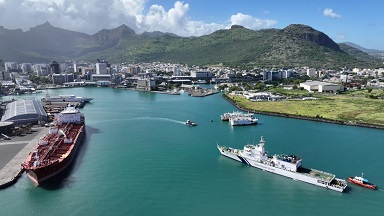
  • Indian Coast Guard Ship (ICGS) Sankalp, an Offshore Patrol Vessel, arrived at Port Louis, Mauritius on 17 January 2026.
  • Part of India’s ongoing Overseas Deployment to Friendly Foreign Countries in the Indian Ocean Region.
ICGS Sankalp, Source:PIB

Purpose of the Visit

  • Strengthen maritime cooperation and bilateral ties with Mauritius.
  • Enhance operational interoperability between India and Mauritius maritime forces.
  • Showcase India’s indigenous shipbuilding capabilities, supporting Aatmanirbhar Bharat.
  • Promote women empowerment in maritime operations (two women officers embarked onboard).

Alignment with National Policy

  • Supports India’s SAGAR (Security and Growth for All in the Region) vision.
  • Focus on regional maritime safety, security, and environmental protection.

Operational & Professional Activities

  • Professional interactions with the National Coast Guard of Mauritius and other maritime agencies.
  • Training program includes:
    • Sea and harbour drills
    • Oil pollution response exercises
    • Damage Control (NBCD) exercises
    • Firefighting drills
    • Visit, Board, Search and Seizure (VBSS) joint training
    • Navigation bridge and Machinery Control Room (MCR) integration drills

Cultural and Community Engagement

  • Friendly sports fixtures and cultural exchanges to promote camaraderie.
  • Participation in community service activities, reflecting India’s approach of constructive outreach and goodwill.

Strategic Significance

  • Reinforces India’s role as a reliable maritime partner in the Indian Ocean Region.
  • Strengthens maritime safety, security, and capacity building in the region.
  • Enhances people-to-people ties with Mauritius.

Next Phase of Deployment

  • After Mauritius, ICGS Sankalp will sail to Seychelles, continuing India’s maritime outreach to key island nations in the Indian Ocean.

Indian Navy’s First Training Squadron (1TS) visit to Singapore

Deployment Overview

  • Indian Navy’s First Training Squadron (1TS) includes:
    • INS Tir, INS Shardul, INS Sujata, and Indian Coast Guard Ship Sarathi.
  • The squadron arrived at Changi Naval Base, Singapore on 15 January 2026.
  • The deployment is part of a training mission to the South East Indian Ocean Region (IOR).
  • 2026 is celebrated as the ASEAN–India Year of Maritime Cooperation”, adding significance to this visit.

Objectives of the Visit

  • Strengthen bilateral maritime cooperation between India and Singapore.
  • Enhance capability, interoperability, and operational readiness of naval personnel.
  • Promote Act East Policy through engagement with Southeast Asian nations.
  • Aligns with the vision of MAHASAGAR – Mutual and Holistic Advancement for Security and Growth Across Regions.
  • Supports Indian Ocean Naval Symposium (IONS) objectives of maritime security and regional partnership.

Key Activities and Engagements

  1. Professional Interactions
    • Structured exchanges between Indian Navy and Republic of Singapore Navy (RSN).
    • Sharing operational and professional experiences.
    • Visits to Information Fusion Centre and RSN Museum.
  2. Training & Capability Building
    • Structured training exchanges for trainees.
    • Joint yoga sessions and friendly sports fixtures.
  3. Cultural and Community Engagement
    • Performances by Indian Naval Band at public locations.
    • Ship visits by school children to foster people-to-people connections.
    • Outreach activity at Sree Narayana Old Age and Nursing Home.
  4. Diplomatic and Official Interactions
    • Interaction with Dr Shilpak Ambule, Indian High Commissioner to Singapore.
    • Commanding Officers met Commander of the Maritime Training and Doctrine Command (MTDC).

Strategic Significance

  • Reinforces India–Singapore maritime partnership and regional cooperation in the IOR.
  • Enhances maritime security, operational coordination, and knowledge sharing.
  • Supports India’s leadership role in regional maritime initiatives and capacity building.
  • Demonstrates India’s commitment to ASEAN engagement, Act East Policy, and IONS framework.

Key Themes

  • Training and capacity building of naval personnel.
  • Strengthening bilateral ties and interoperability with RSN.
  • Cultural diplomacy and community outreach.
  • Strategic maritime vision under MAHASAGAR and Indian Ocean engagement.

Amrit Bharat Express – Empowering Everyday Rail Travel

1. Background and Vision:

  • Indian Railways has been central to India’s social and economic development, connecting people, markets, and opportunities.
  • Focus on affordable, inclusive, and passenger-centric travel, extending comfort and reliability beyond premium services.
  • Amrit Bharat Express launched as a flagship initiative in December 2023.
  • Aims to enhance long-distance connectivity, especially for everyday travelers for employment, education, and family travel.

2. Core Features of Amrit Bharat Express:

  • Non-AC long-distance sleeper trains for affordability.
  • Fare structure: Approx. ₹500 per 1,000 km, with simple and transparent pricing; no dynamic fares.
  • Train composition:
    • 11 General Class coaches
    • 8 Sleeper Class coaches
    • 1 Pantry Car
    • 2 Second Class–cum–Luggage–cum–Guard Vans
    • Disabled-friendly compartments included
  • Focus on comfort, safety, and accessibility for mass passengers.

3. Network Expansion:

  • Since launch, 30 trains operational, with 9 new services to further enhance connectivity.
  • Routes link eastern, north-eastern, sub-Himalayan regions to southern, western, and central India.
  • Supports the nationwide goal of regional integration, economic growth, and social cohesion.

4. Highlights of New Services:

  • Kamakhya-Rohtak Amrit Bharat Express:
    • Connects North-East Assam with Haryana.
    • Weekly service, enhancing tourism (Kamakhya Temple, Varanasi Ghats).
  • Dibrugarh-Lucknow Express:
    • Connects Assam and Nagaland with Uttar Pradesh.
    • Boosts tourism, trade, and pilgrimage access.
  • New Jalpaiguri-Nagercoil Express:
    • Links the Dooars region with southern India.
    • Connects border regions, ports, and industrial hubs.
  • New Jalpaiguri-Tiruchirappalli Express:
    • Connects North-East gateway to Tamil Nadu’s education and temple hubs.
  • Alipurduar-Bengaluru Express:
    • Links border district to India’s tech capital, supporting east-south connectivity.
  • Alipurduar-Mumbai (Panvel) Express:
    • Enhances North-East to western metropolitan corridor.
  • Santragachi-Tambaram Express:
    • Strengthens East-South connectivity, improving access to education, healthcare, and tourism.
  • Howrah-Anand Vihar Express:
    • Connects eastern India to Delhi, improving access to employment and administrative hubs.
  • Sealdah-Banaras Express:
    • Daily service connecting Kolkata with Banaras, promoting religious tourism.

5. Strategic Importance:

  • Improves long-distance connectivity, particularly for frontier, border, and under-served regions.
  • Boosts tourism, local trade, employment mobility, and regional integration.
  • Supports social inclusion and equitable access to rail transport.

6. Conclusion:

  • Amrit Bharat Express reflects Indian Railways’ focus on affordable, reliable, and passenger-friendly mass mobility.
  • By combining extensive reach, inclusivity, and modern design, the service strengthens India’s economic and social cohesion.
  • The expansion of this network reinforces India’s commitment to connecting people, regions, and opportunities through rail.

SPREE scheme

SPREE scheme (Scheme to Promote Registration of Employers/Employees):

  • Launched on July 1, 2025, and valid until January 31, 2026.
  • Provides a one-time window for employers and employees who were previously left out of the ESI scheme to register.
  • Ensures no retrospective coverage and no punitive action, encouraging voluntary compliance.

Impact of SPREE (as of January 11, 2026):

  • 1.17 lakh new employers registered under ESIC.
  • 1.03 crore new employees enrolled, significantly widening the social security net.

EPFO reforms:

  • Members can now withdraw up to 75% of their provident fund balance under simplified and liberalised rules.
  • The remaining 25% is retained to strengthen members’ long-term retirement savings.

Improved claim settlement efficiency:

  • 47.48% of total EPFO claims are being settled through auto mode.
  • 72.09% of advance claims are now processed automatically, reducing delays and paperwork.

Overall significance:

  • The reforms aim to improve ease of compliance for employers, financial flexibility for workers, and faster service delivery.
  • Collectively, these measures mark a major step toward formalisation of the workforce and enhanced social security coverage in India.

Leave a Comment

Your email address will not be published. Required fields are marked *

Scroll to Top